Sardinia
To tell the story of Pala, one must first tell the story of Sardinia, of this island’s wild rugged natural landscapes, the story of its ancestors, of the Builders of Towers and Giants, of its vineyards and the conquests of its people. Sardinia is an antique island, as are its people and its vineyards. There is no exaggerating when we say, Sardinia is one of, if not the most ancient land in the Mediterranean. It is unlike anywhere else in the world.
Geologically, it belongs to the massif of France, where it originally detached, to form an island. The rest of the Italian peninsula is on the the EuroAsian tectonic plate. Sardinia is without a doubt, a mini-continent. A land where the farthest point from the sea is 80 kms.
There is a concentration of unique landscapes, from snow topped mountains, to the longest canyon and the only dessert in Europe, to steep cliffs and beaches on the coast to fertile plains and limestone hills, like where the vineyards of Pala are located.
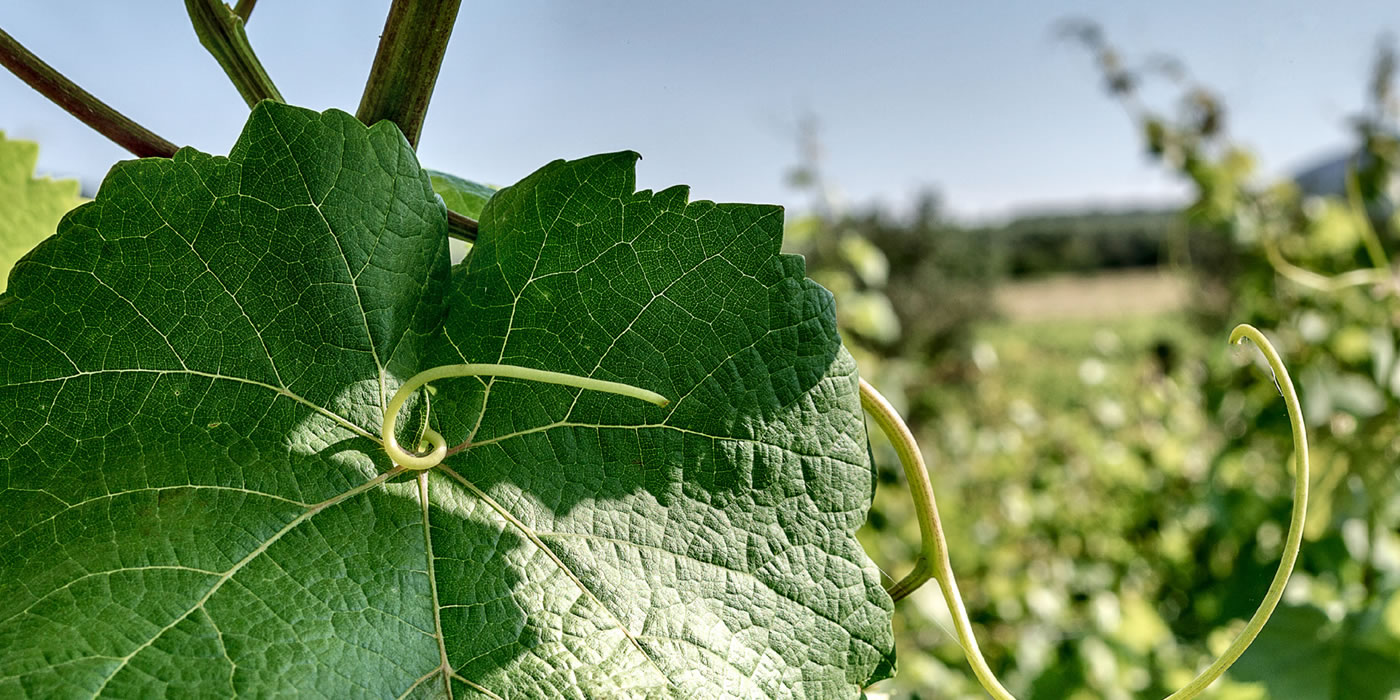
Pala's Vineyards
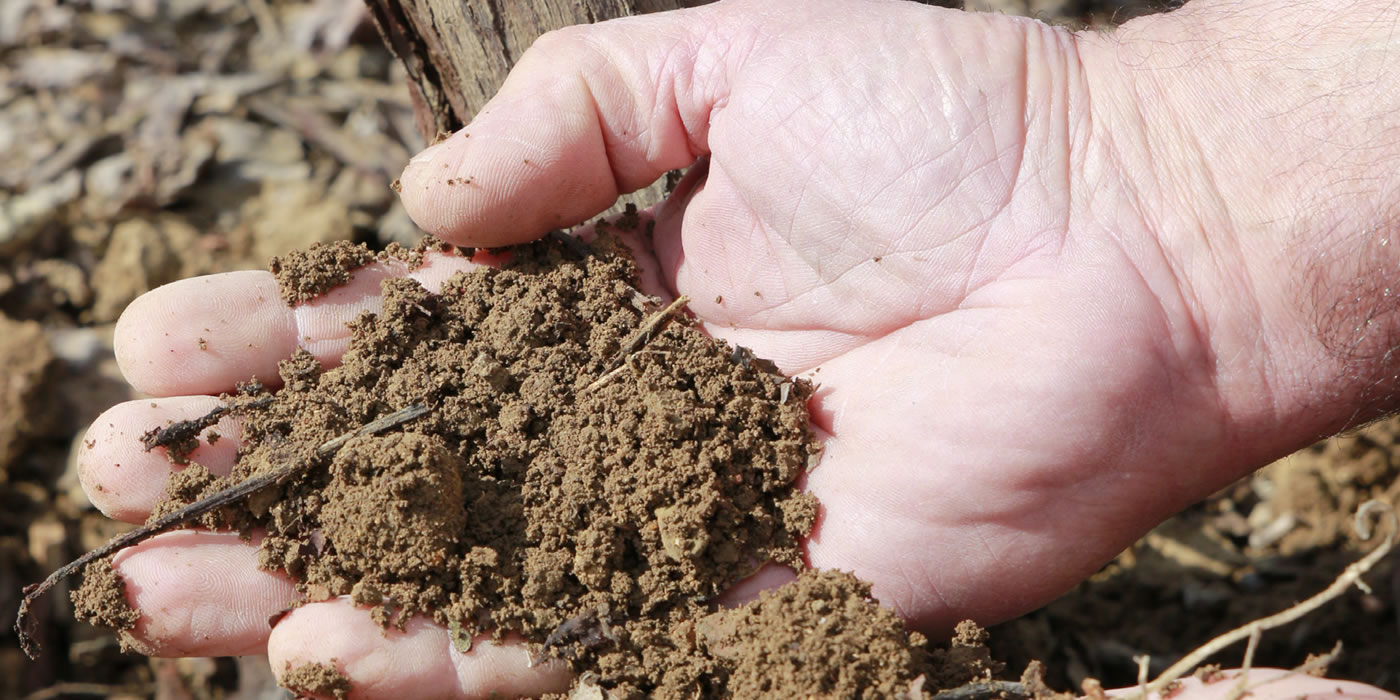
The Pala vineyards are divided into eight distinct single vineyard sites. Some are located close to the winery in Serdiana, while others are farther away. Each site was carefully selected for its unique terroir, optimal sun exposure, and ideal soil composition—matched specifically to the grape varieties best suited to thrive there.
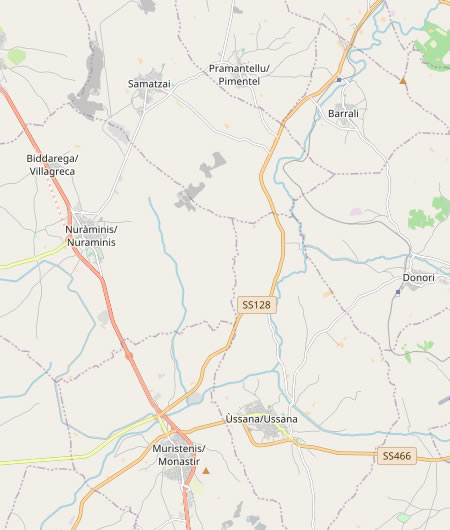
The vineyards near Serdiana, where the Pala winery is based, lie in gently rolling hills with limestone-rich soils. This geological characteristic extends into neighboring municipalities like Ussana and Senorbì, where both limestone and marl are prevalent.
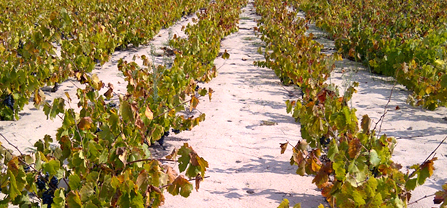
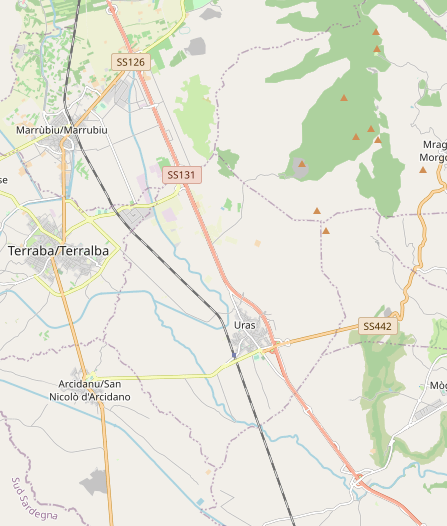
The farthest vineyards are located in the municipalities of Uras, Terralba, and San Nicolò d’Arcidano, along the central western coast of Sardinia. Here, the vines are planted in soils composed of fine white sands, offering a striking contrast to the inland sites and contributing to the diversity of Pala’s wine expressions.
Our VineyardsIs Crabilis
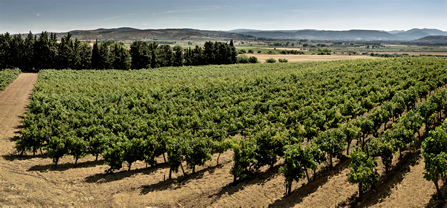
Is Crabilis is the name of a sandy limestone hill entirely covered with vines. The name, translated from the Sardinian language indicates that, in the past, perhaps there was a goat shelter, although probably; in antiquity; in the Neolithic era, It was the site of a village. the witnesses are some of the tools that were found on the summit of the hill. The clayey limestone of its base gradually become more loose towards the summit with layers of limestone. From its summit, at about 250 meters above sea level it dominates the valley and has an amazing view of the Seven Brothers. The highest peaks in the southern Sardinia. In this estate we grow Carignano, Vermentino, Malvasia Sarda, Monica, Cannonau and Nuragus.
- Altitude
- 250 meters a.s.l.
- Grapes
- Carignano, Vermentino, Malvasia Sarda, Monica, Cannonau, Nuragus
Our VineyardsTanca S'Arai
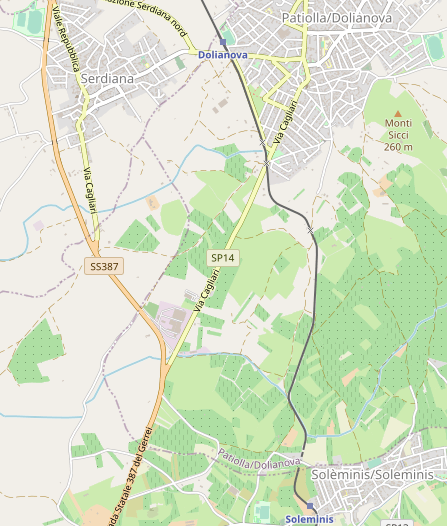
“Tanca” in Sardinian language means big pieces of land fenced. The name S’Arai, in Sardinian, means the plow.
It ‘a vine of almost fifteen hectares approximately two kilometers from our cellar, in the town of Serdiana. A hill 220 meters above sea level. The exposure is perfectly south and grounds are clayey and calcareous with different strikes. Here, apart from the grapes that produce the family Cru, S’Arai (Cannonau, Carignano and Bovale), is also home for the oldest nuragus vineyard of the family.
- Altitude
- 220 meters a.s.l.
- Grapes
- Cannonau, Carignano, Bovale
Our VineyardsCosta Is Arangius
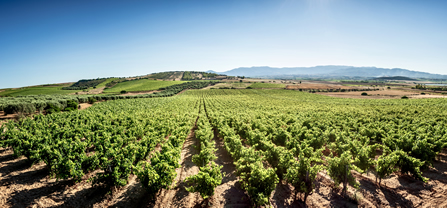
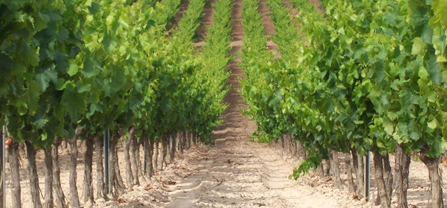
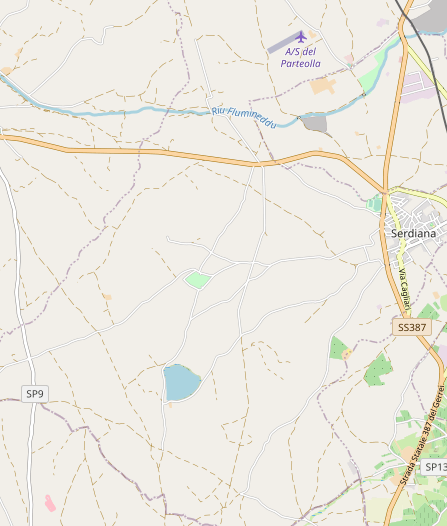
This vineyard not far from the romanesque church of Santa Maria di Sibiola has a limestone clay soil, very white at the bottom and dark at the summit. South east exposure is the perfect location for Vemrntino and Monica.
- Altitude
- --
- Grapes
- Vermentino, Monica
Our VineyardsBiesinna
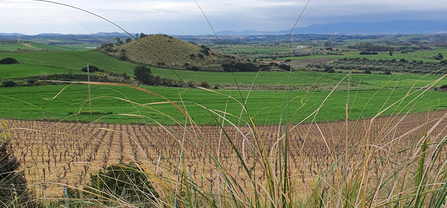
White limestone for this vineyard at 150 asl… its top is also a great belvedere point for the view of the Gulf.
Home for a twenty year old Vermentino and Monica.
- Altitude
- 150 meters a.s.l.
- Grapes
- Vermentino, Monica
Our VineyardsBenatzu Coloru
“The colored sands” or “snake”, this is the translation of the name of this vineyard of five hectares facing south and not far from the cellar, at around 170 meters above sea level. Here, on a mostly clay soil, we cultivate our Monica.
- Altitude
- 170 meters a.s.l.
- Grapes
- Monica
Our VineyardsSu Stani
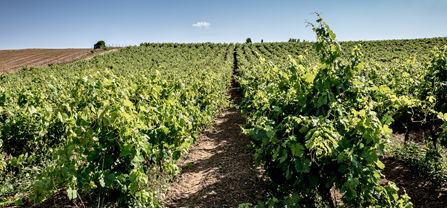
Is a forty years old bush vine looking at the rare salty pond 18 km far from the sea, home for pink flamingos.
The north exposure and the clay together with the limestone at the top of the hill are particularly good for the freshness of the Nuragus grapes planted there.
- Altitude
- 160 meters a.s.l.
- Grapes
- Nuragus
Our VineyardsSanta Maria
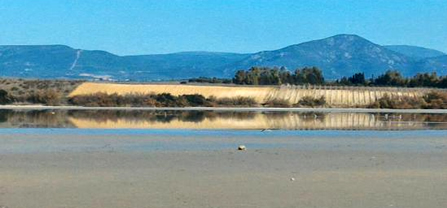
Known also as Sa Corte e’perda, in Sardinian language The Stone Court, this is one of our youngest vineyards. Here the aromatic side of the Malvasia Sarda grows thanks to the soil type particularly reach in limestone and basaltic stones. This vine is planted next to the Romanesque Church of Santa Maria di Sibiola.
Altitude is 160 m asl and the vines have just passed the tenth year.
- Altitude
- 160 meters a.s.l.
- Grapes
- Malvasia Sarda
Our VineyardsTerralbese
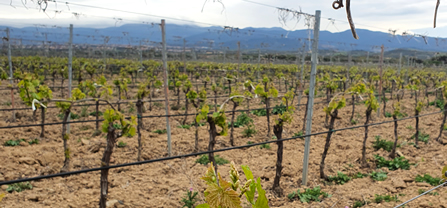
We are in the southern part of the Oristano area, central western coast of Sardinia, close to the border of the Cagliari province with vines planted in white sands and closed by cactus… is a particular envinment known to be the home for a grape variety “Bovale” mistakenly compared to the graciano but, according to the dna and the studies made, native of the island of Sardina, where the wild version is still avalable.
The sea is not far, only 4 km.
- Altitude
- 11 meters a.s.l.
- Grapes
- Bovale